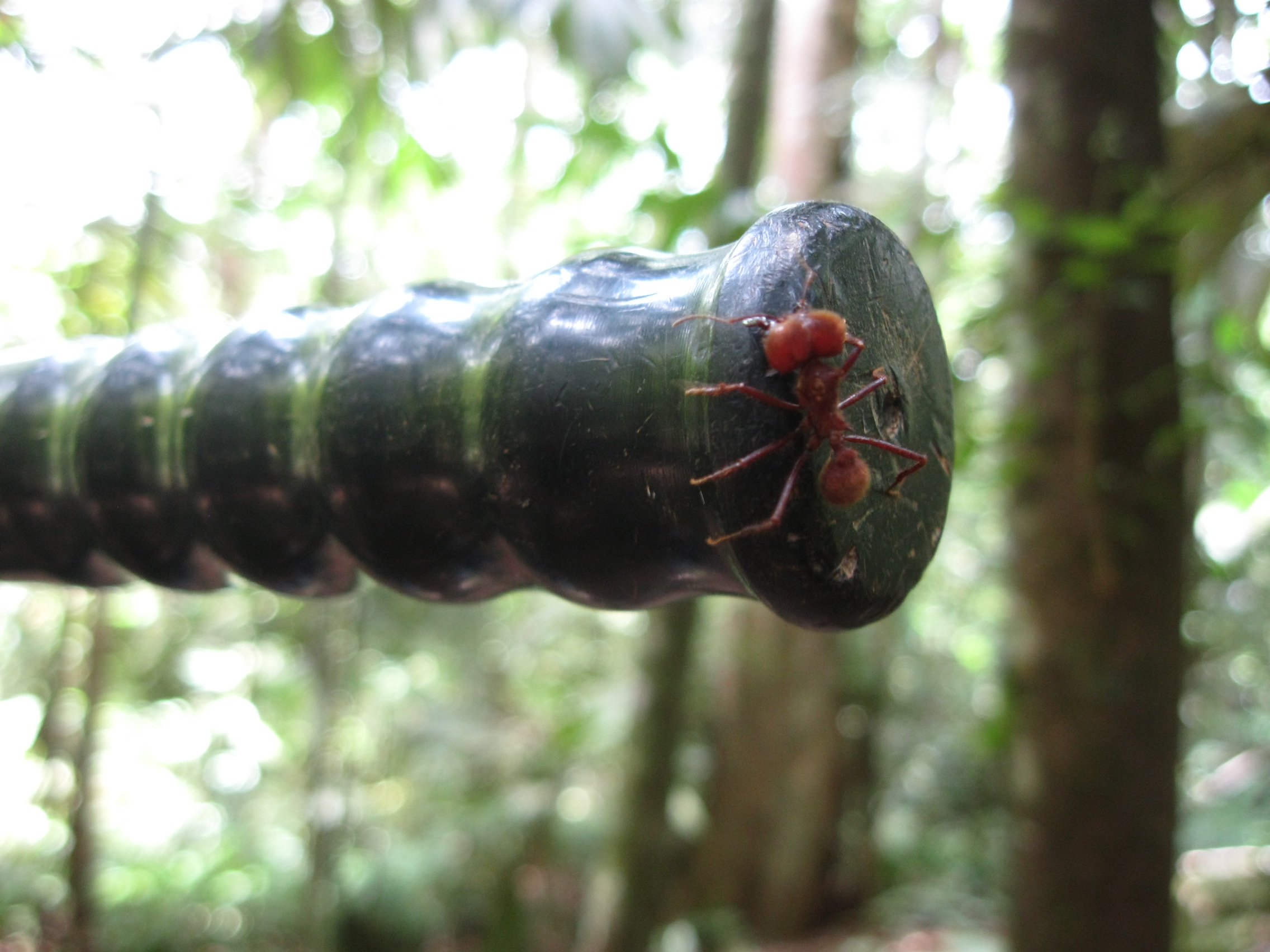
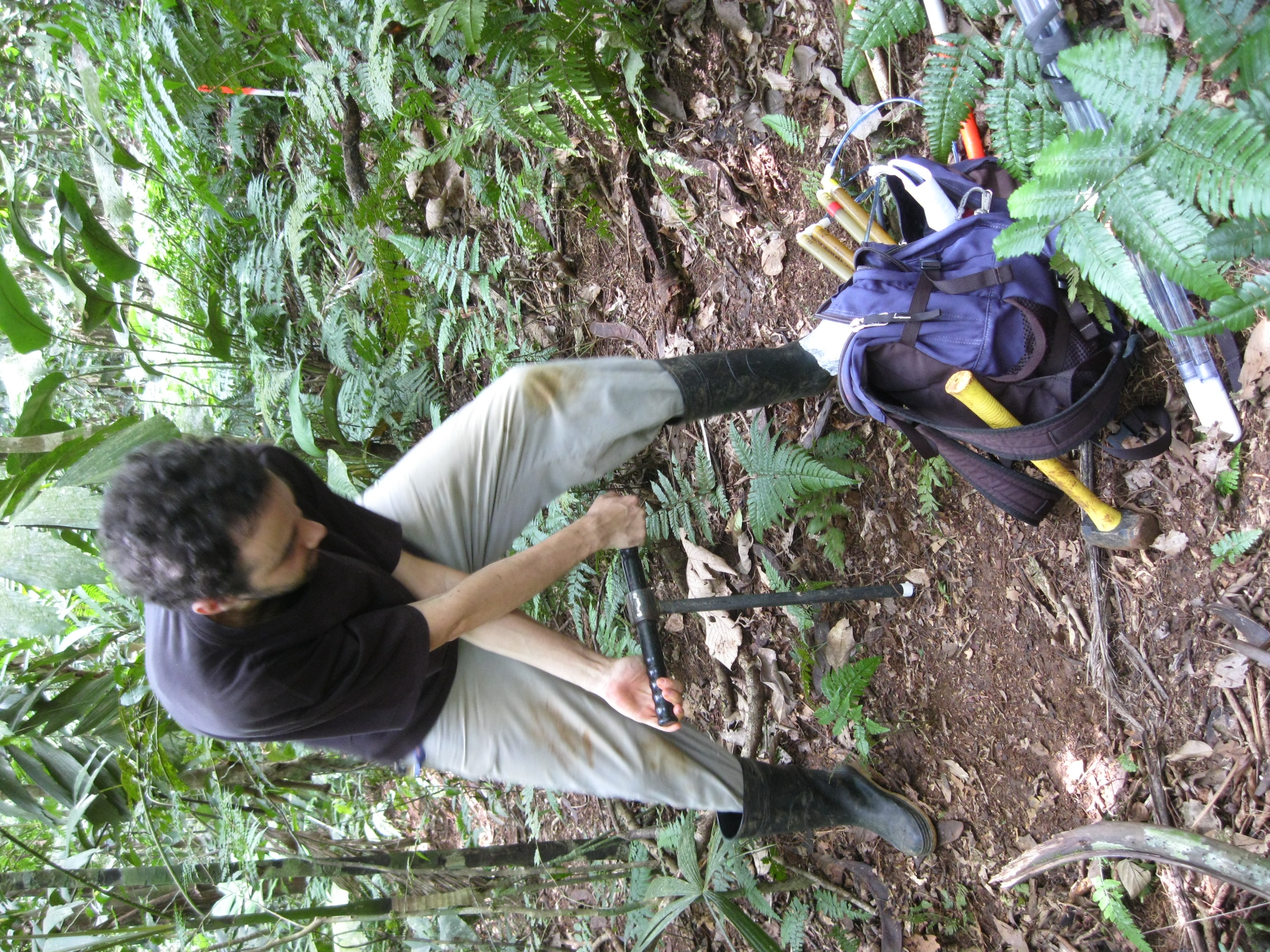
Quantifying the footprint of a dominant organism: Impacts of leaf cutter ants on biogeochemical cycling in tropical forests
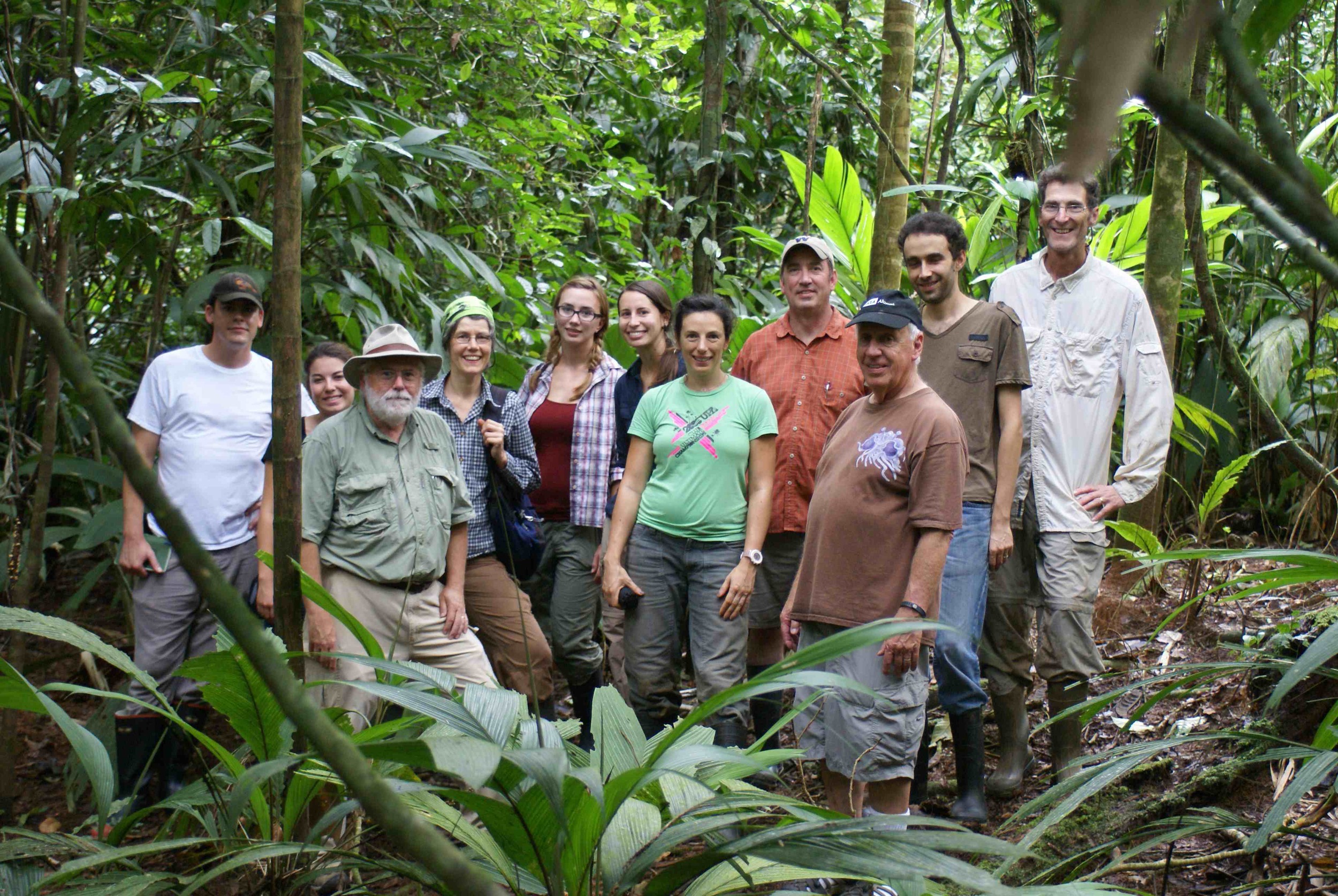
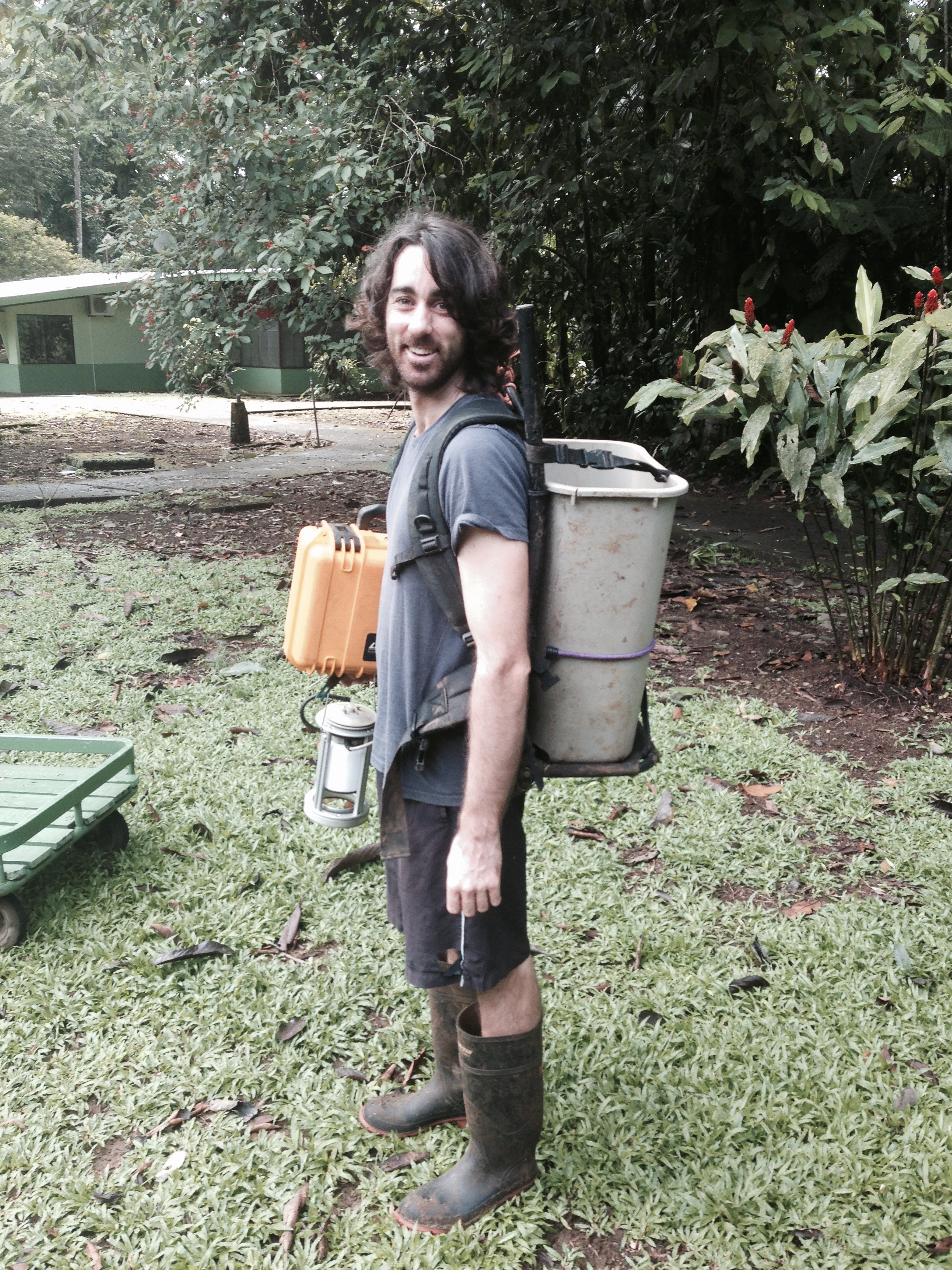
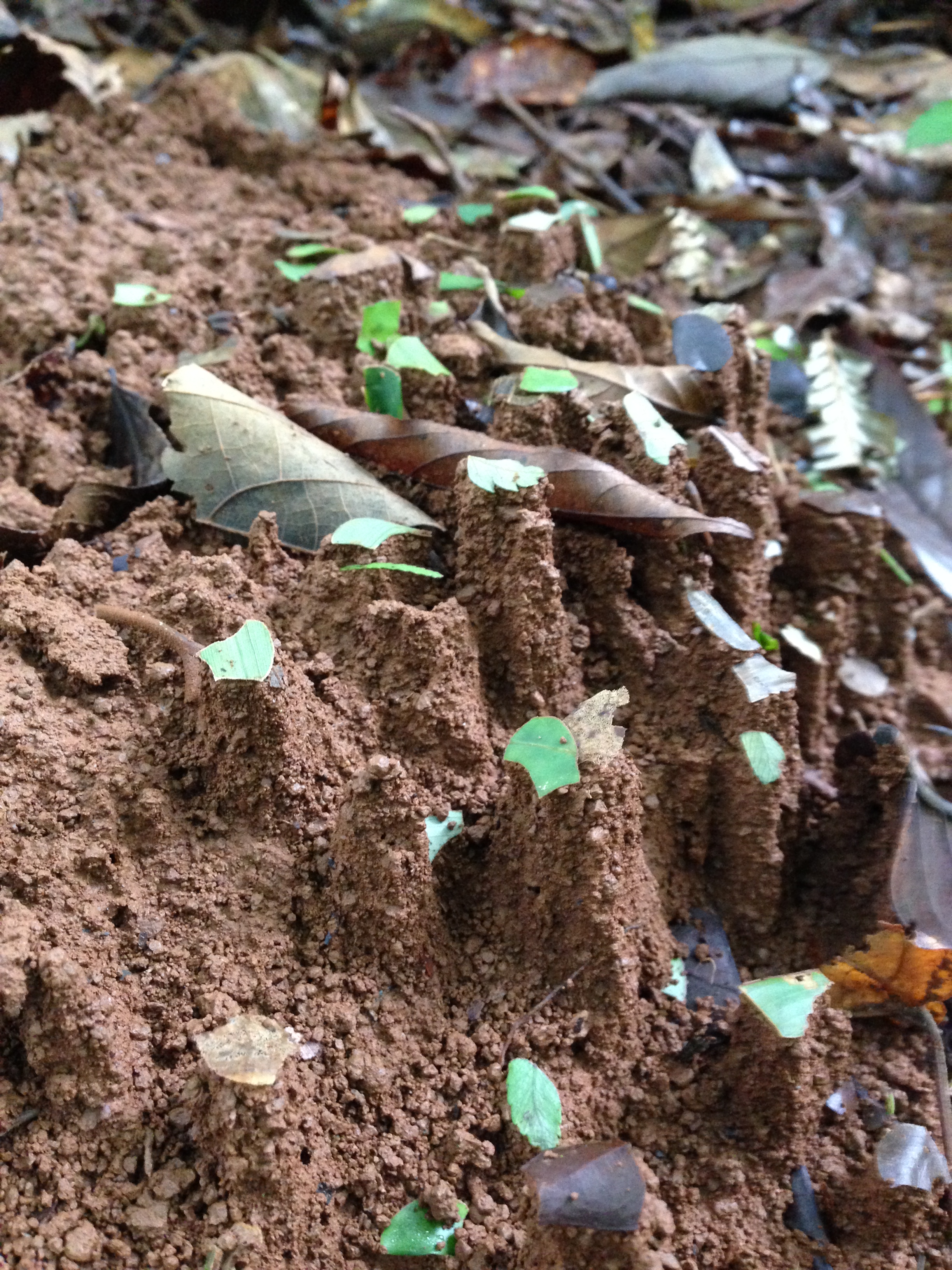
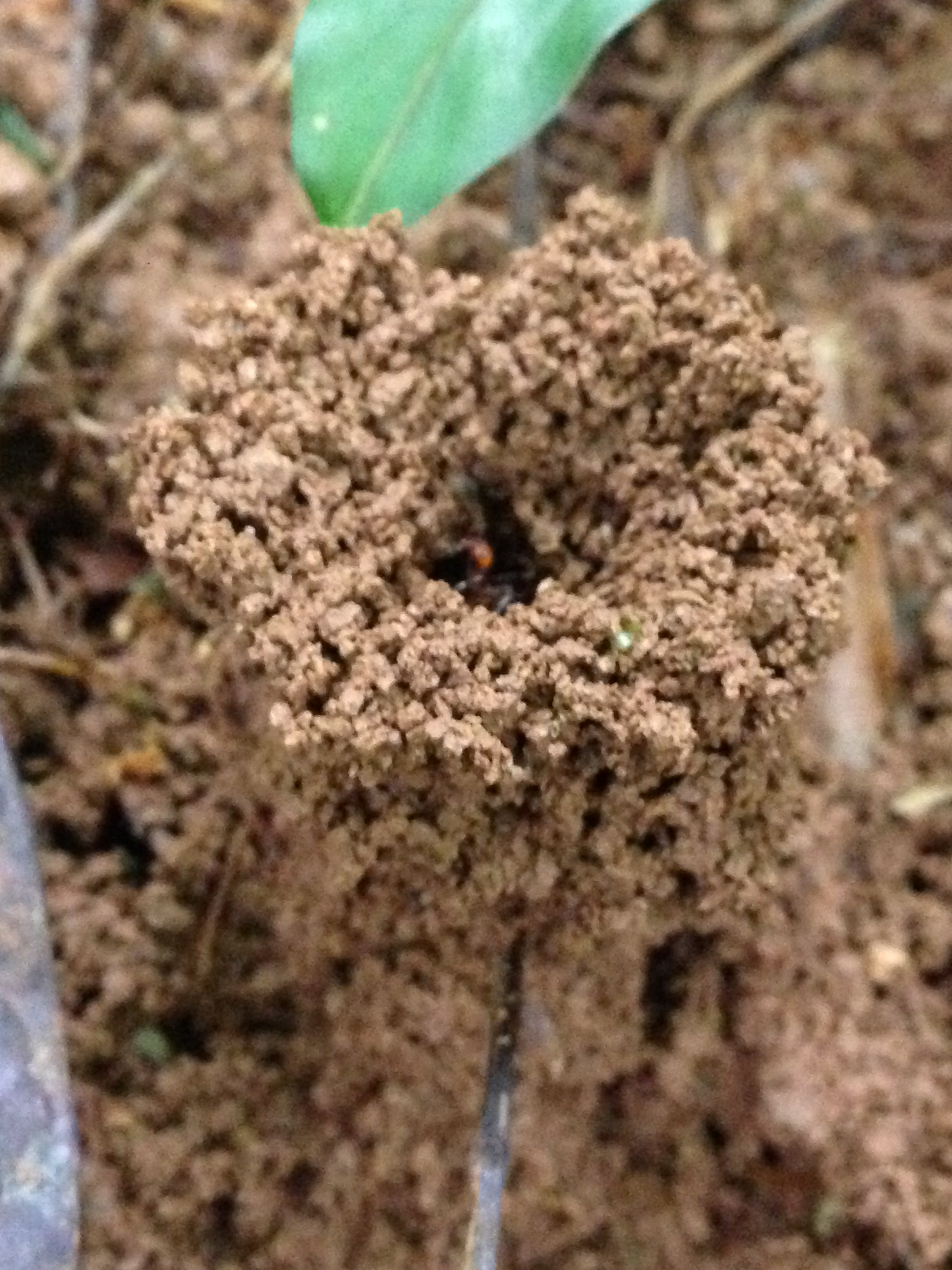
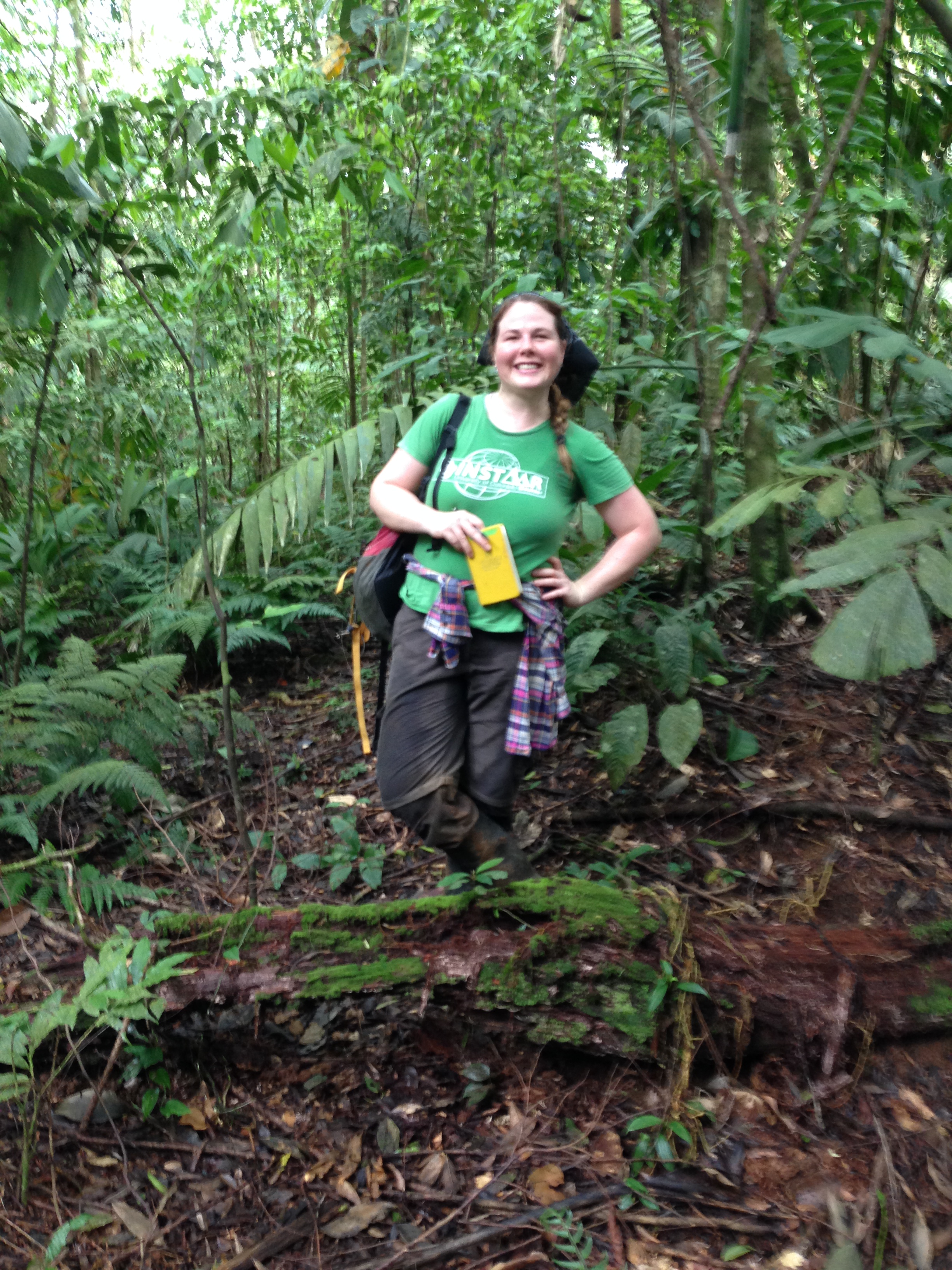
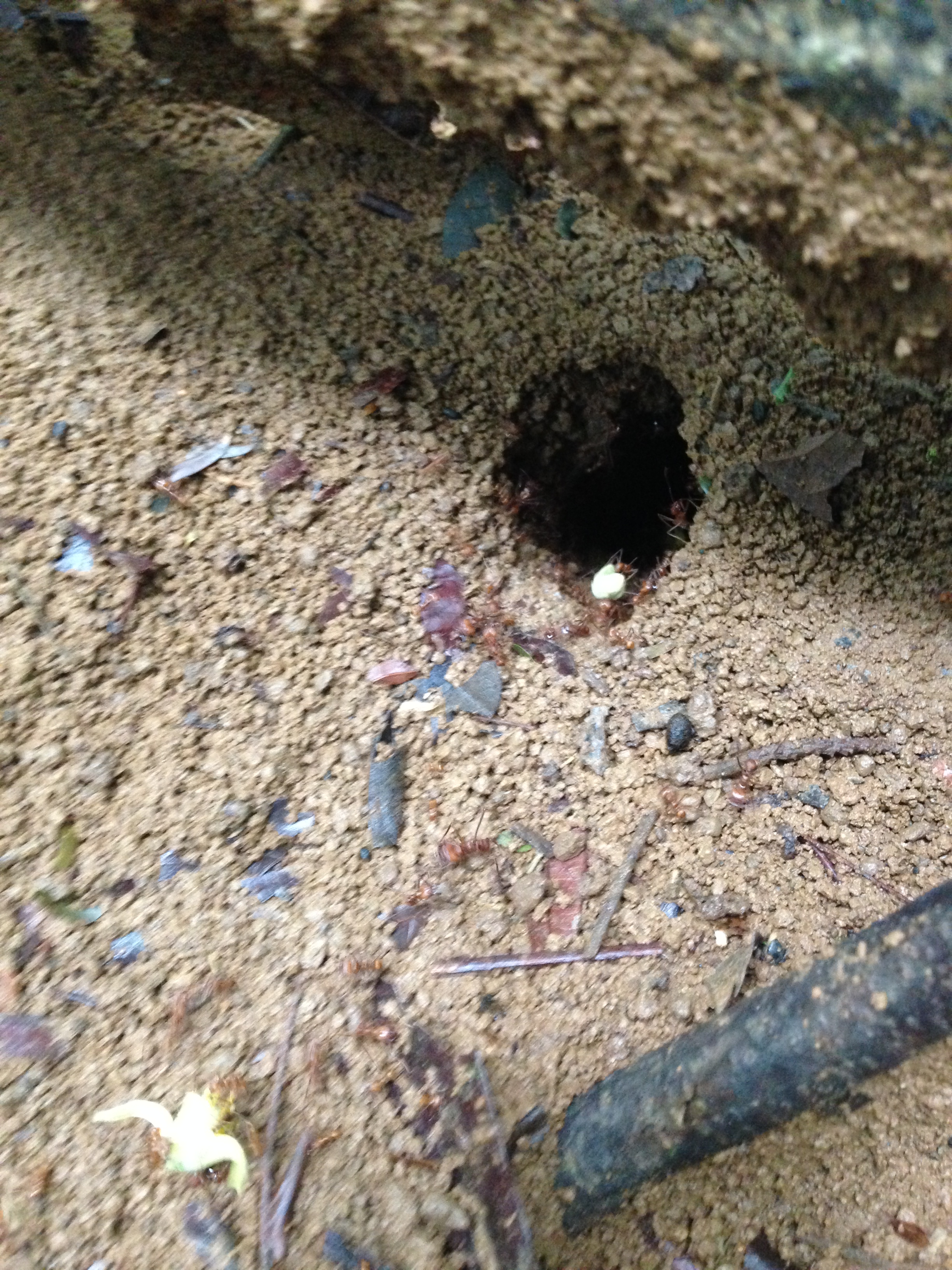
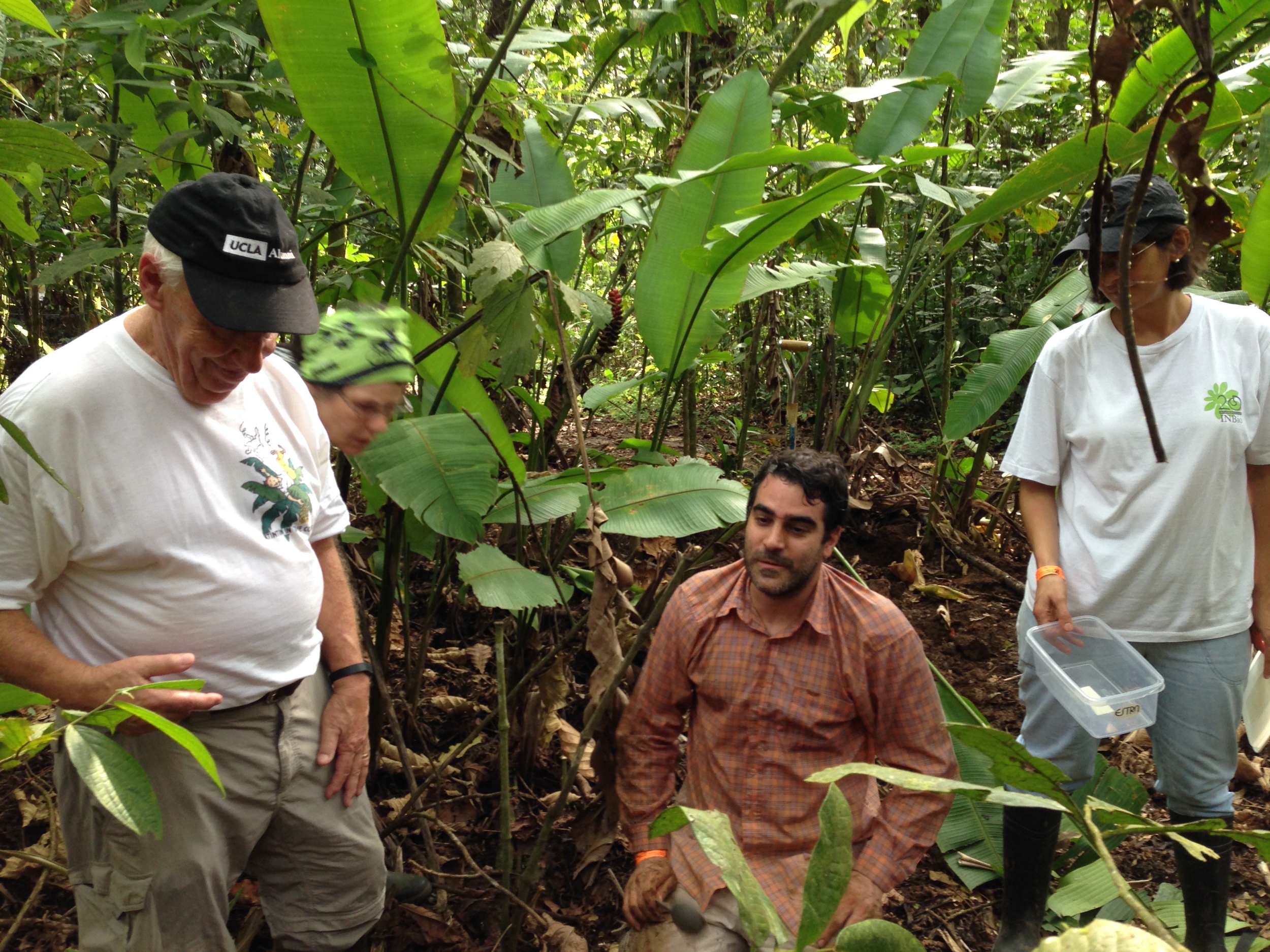
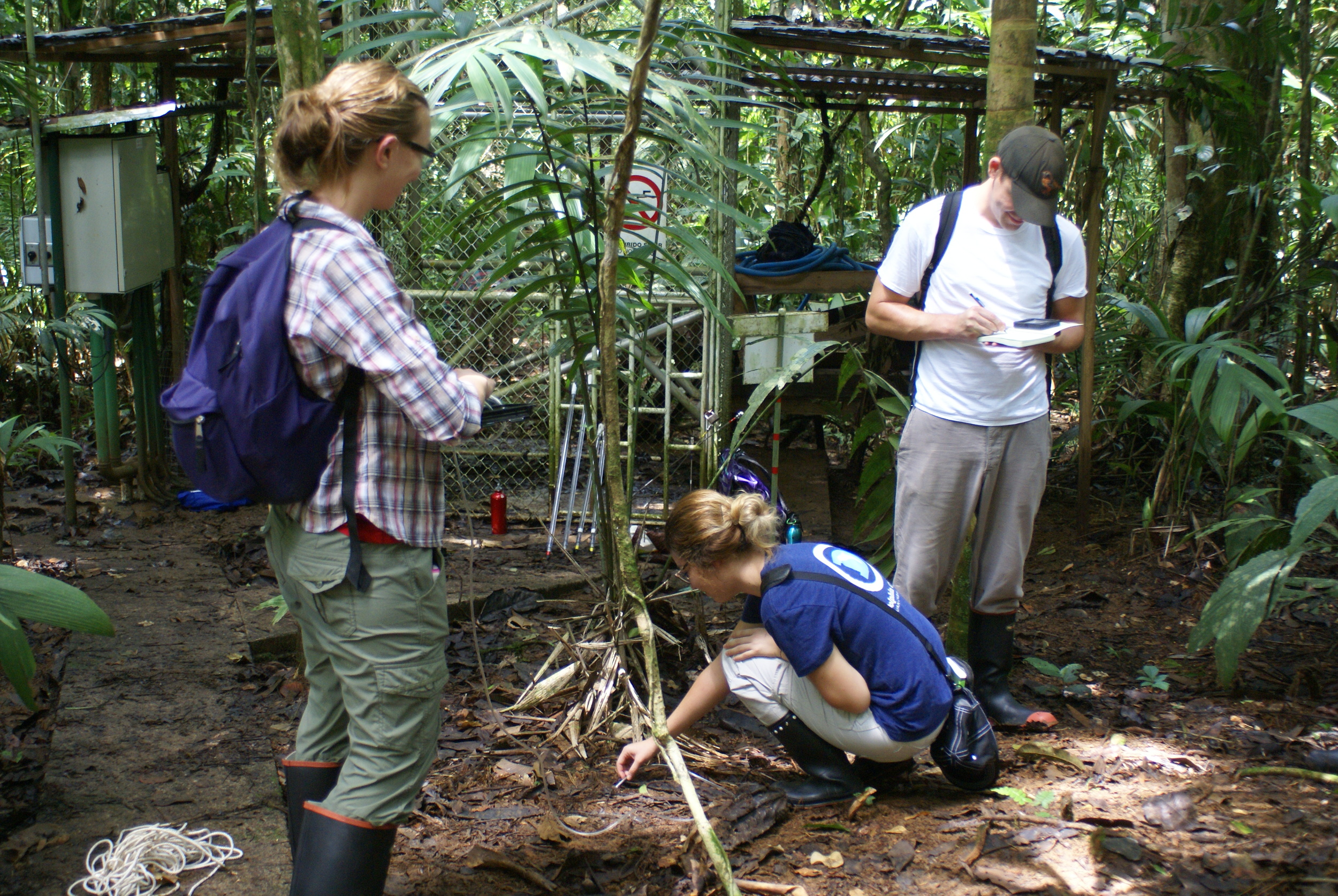
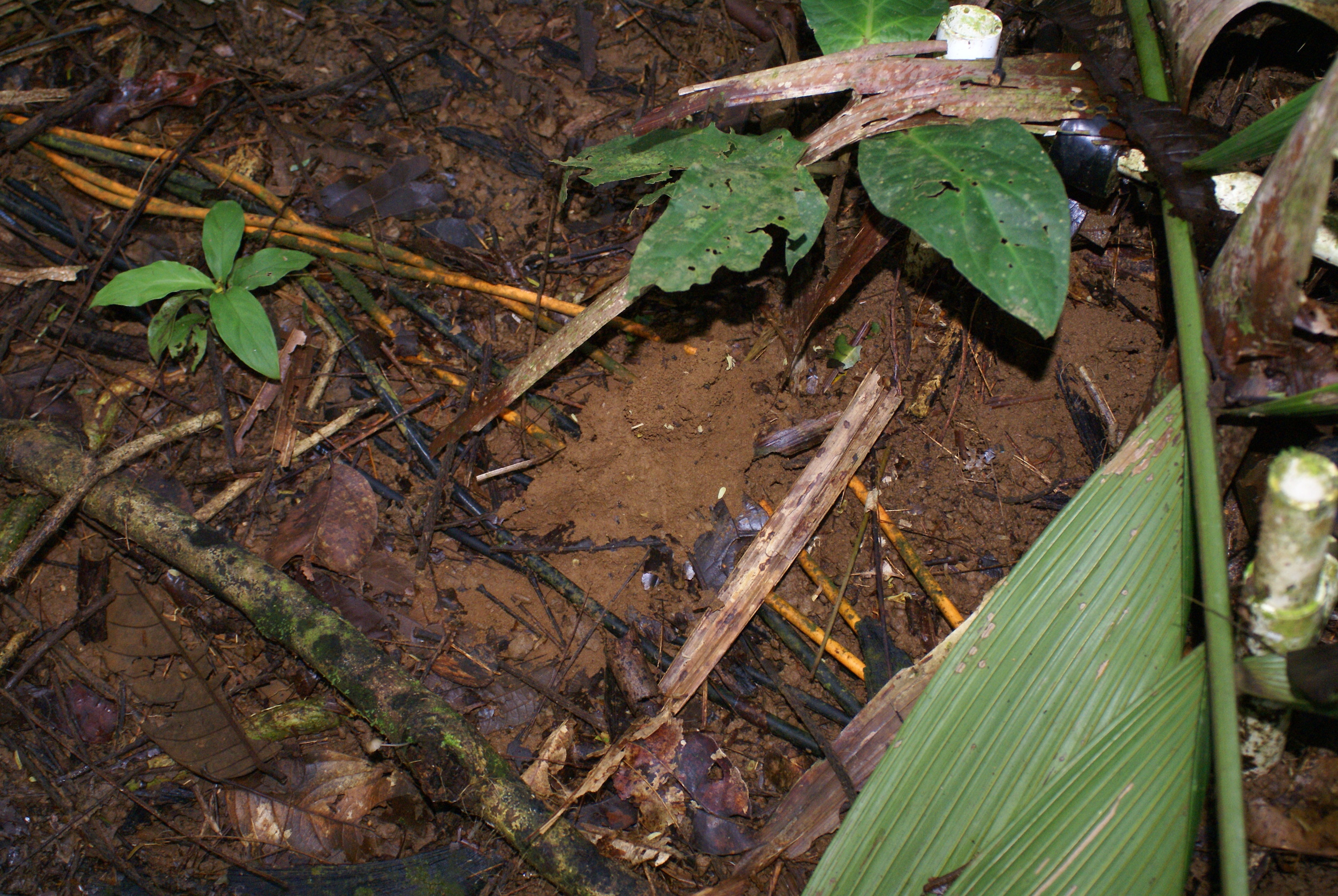
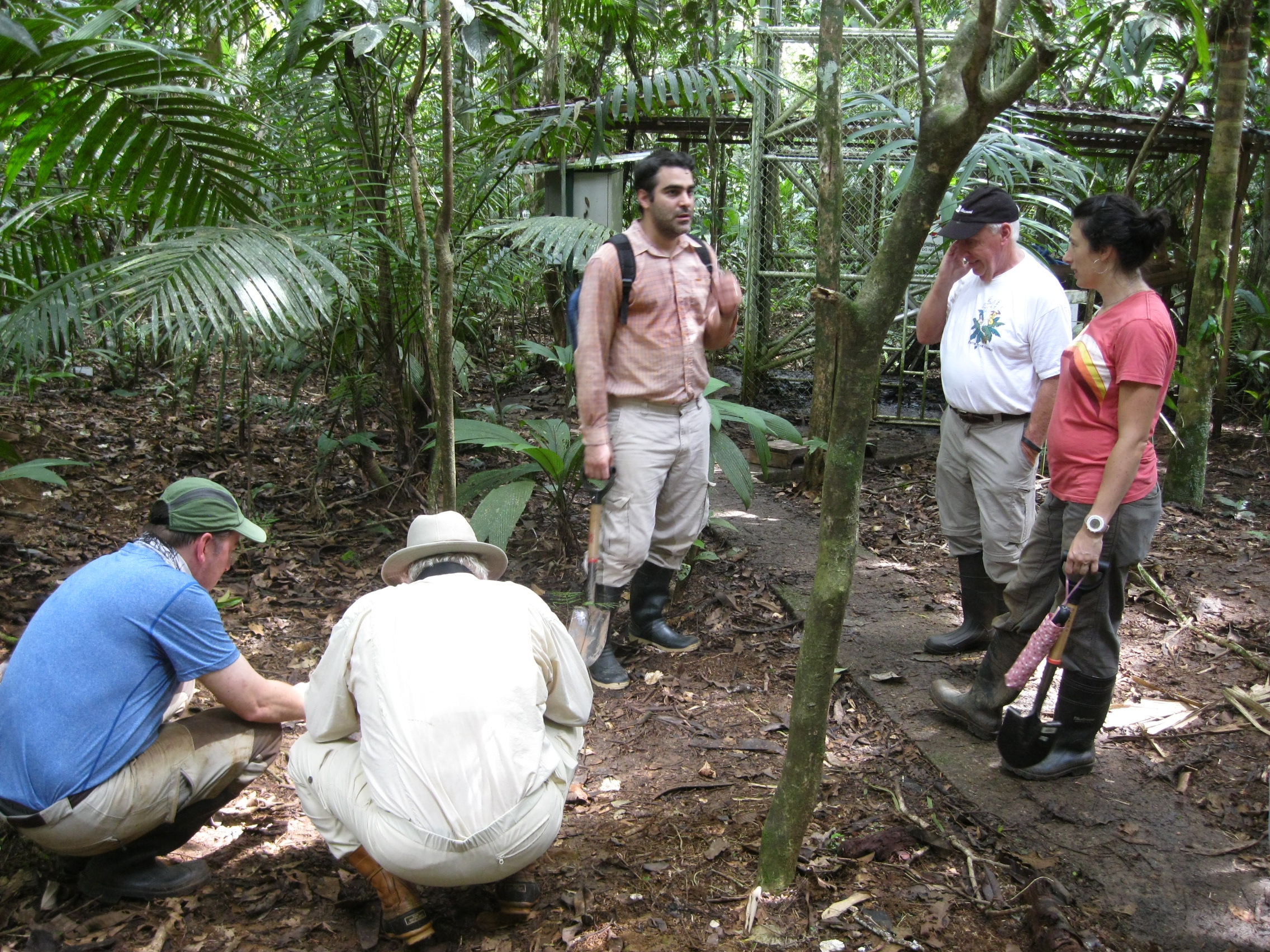
Research group next to a Atta cephalotes nest at La Selva Biological Research Station, Costa Rica

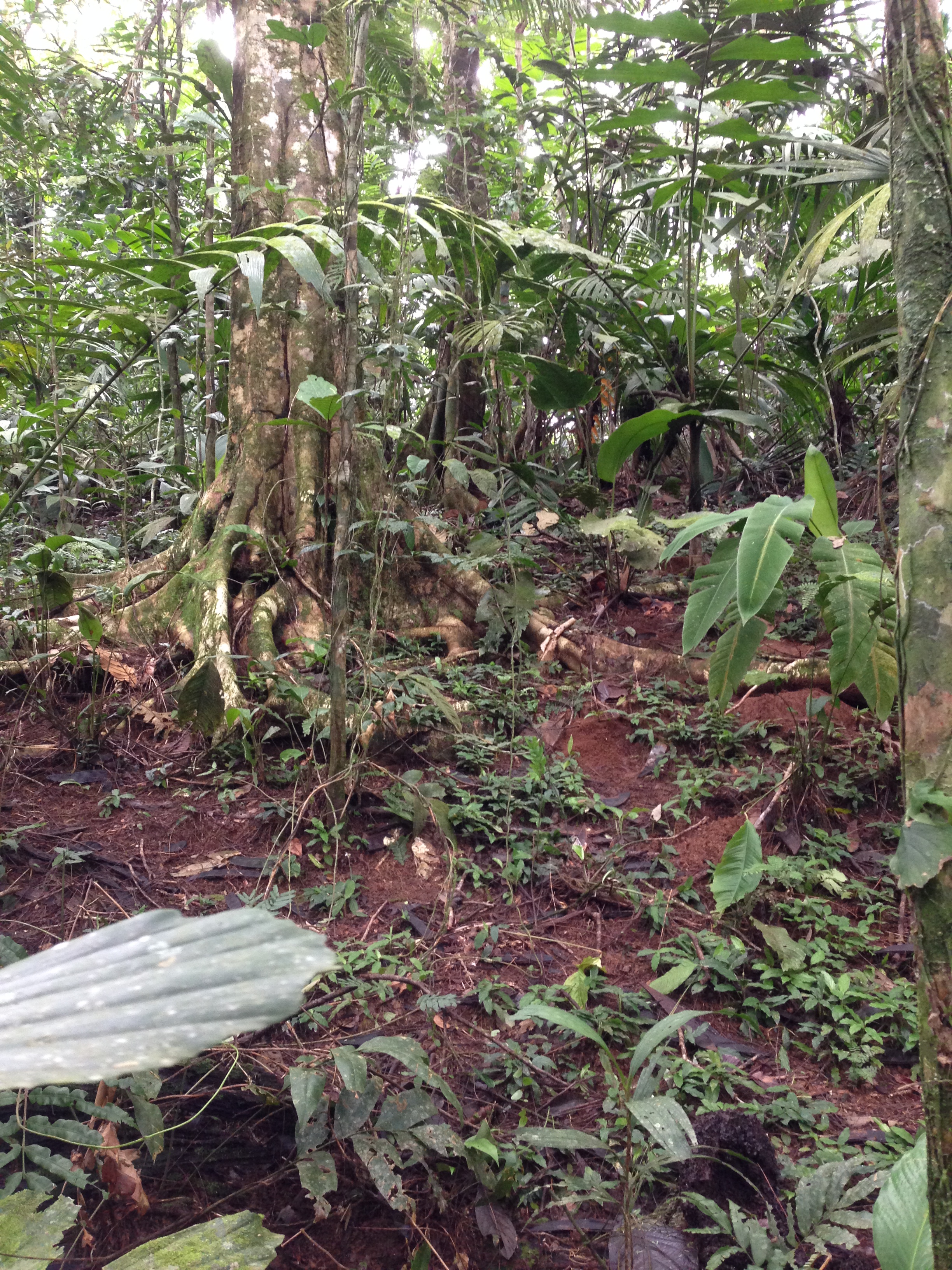
There is considerable debate in the scientific community about the role of tropical ecosystems in the global carbon budget, partially the result of our incomplete understanding of the C cycle in tropical ecosystems. Soils are considerably less well-studied in tropical ecosystems and the roles soil invertebrates play in C dynamics are rarely considered. Despite their ecological prominence, we currently know little about the overall contribution of leaf cutting ants to the C cycle. We are working to better understand the controls on biogeochemical cycling inside leaf cutter ant nests and to scale those effects up from nests to forest ecosystems. Collaborating with scientists from University of California, Florida International University, University of Auckland, and the University of Costa Rica, we are working at La Selva Biological Research Station in Costa Rica.

Visit the project website at www.attabiogeochemistry.com


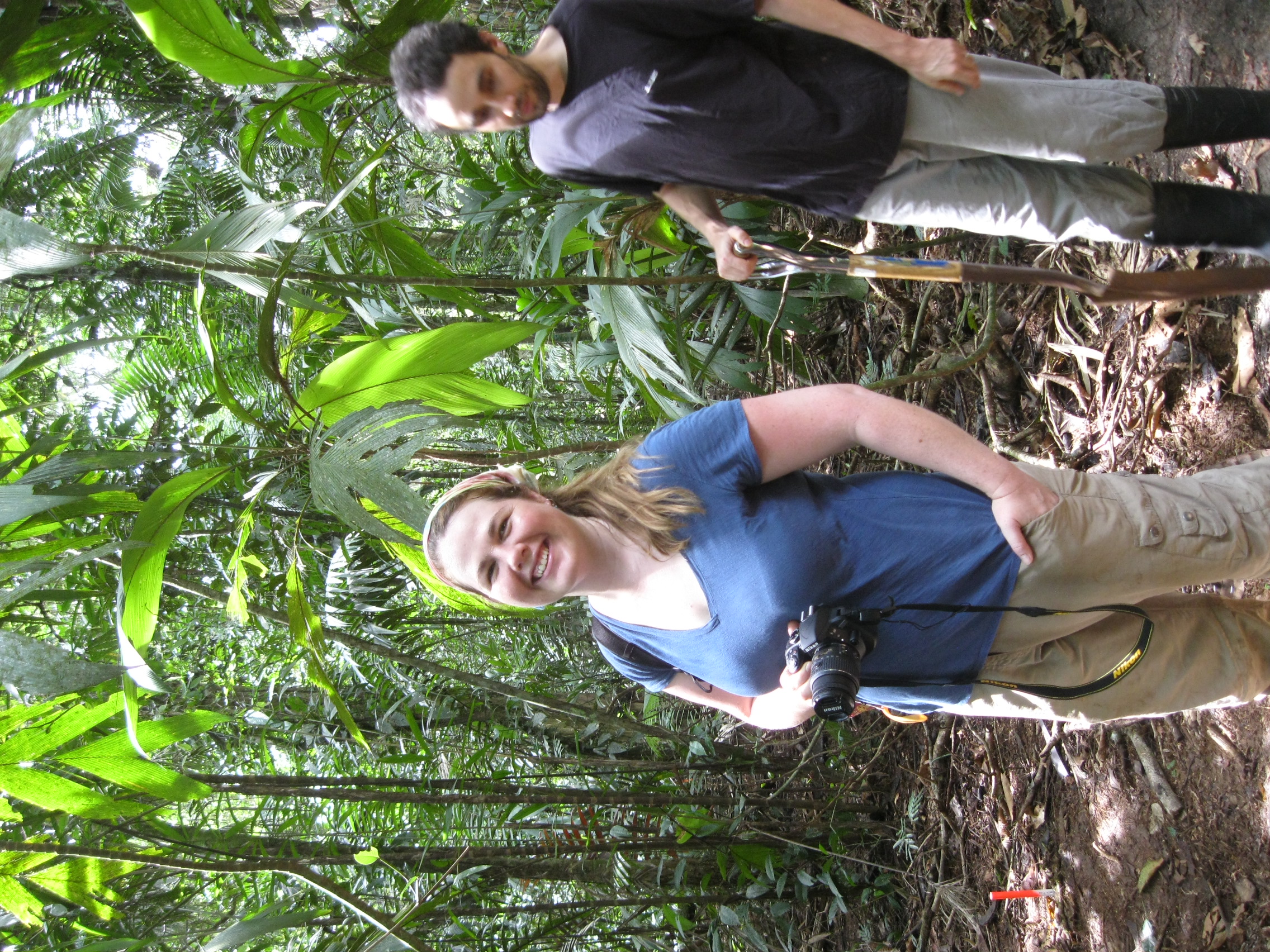
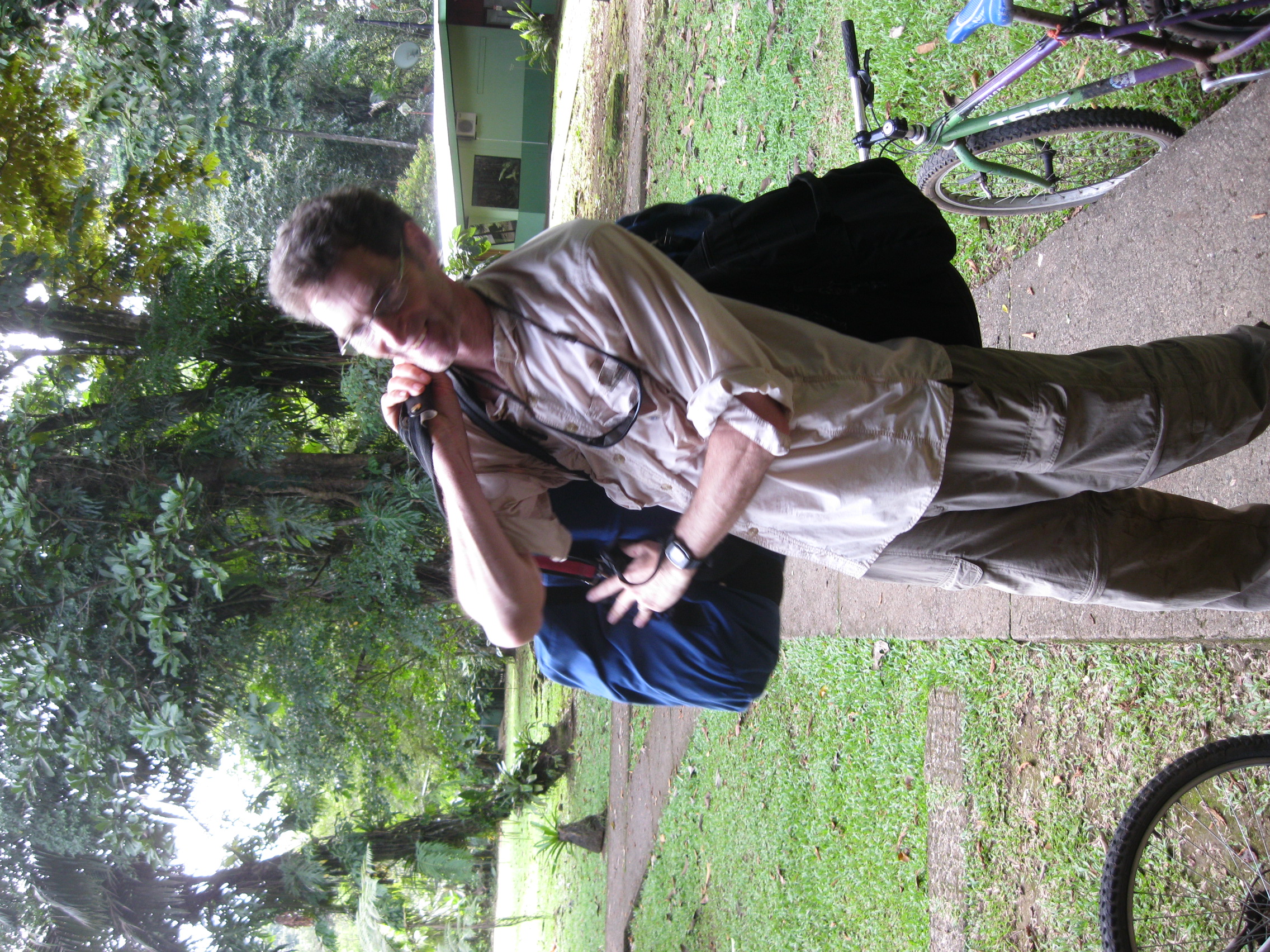
THE RESEARCH GROUP

Lead PI: Jane Zelikova, University of Wyoming, Department of BotanyJane is interested in biogeochemistry and carbon dynamics of leaf cutter ants as well as the impacts of nest nutrient dynamics on plant growth. She is the project organizer, cheerlea…
Co-PI: Tom Harmon, University of California RiversideTom is the project engineer and inventor, akin to Q from James Bond. He is not afraid to get muddy and he is willing to get bit by angry ants to get the ecosystem modeling parameters we need.
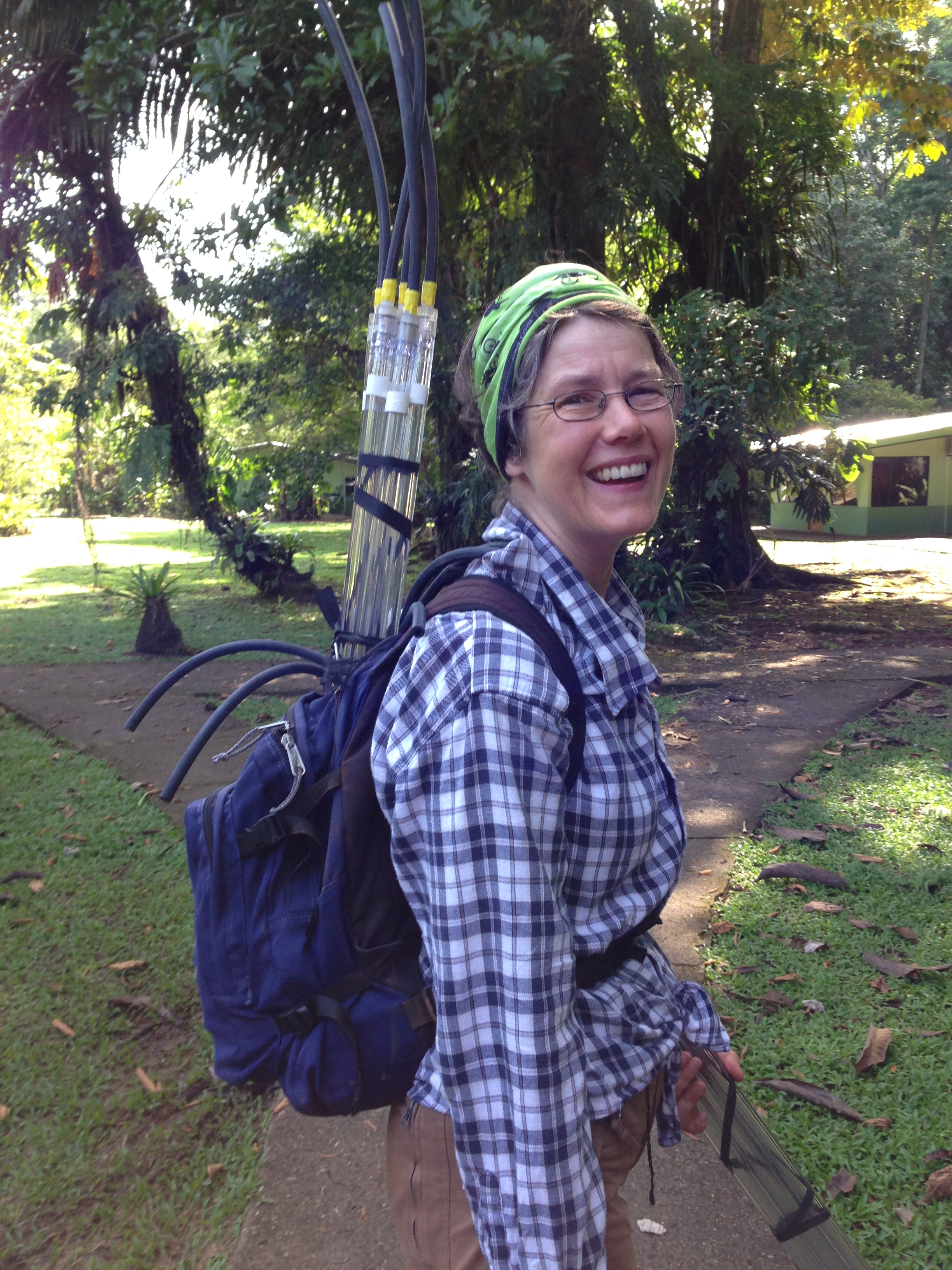
Dr. Luitgard Schwendenmann, University of Auckland, New ZealandLuitgard brings with her years of experience studying soil carbon dynamics at La Selva. She is also the project lysimeter guru and will be examining carbon losses, especially in dissolve…
Dr. Nicole Trahan, University of ArizonaNicole has been an integral member of the team from the very inception of the idea that became an REU project that became an NSF proposal that became a funded NSF effort. She is interested in biogeochemistry, …
Dr. Phil Rundel, University of California Los Angeles.Phil is a distinguished professor and has worked in the tropics for more than 40 years. He brings his La Selva navigation knowledge, the plant expertise, and at times, his voice of reason.
Amanda Swanson, University of California RiversideAmanda is interested in nest biogeochemistry, specifically the dynamics of dissolved inorganic carbon and the influence of phosphorus on carbon
Soren Weber, University of California RiversideSoren is interested in fungi and is searching for a perfect study system to call his own
Angel Fernandez Bou, University of California MercedAngel is building a model of the Atta world. He is wrangling ants in the lab and in the field. And he is the master of the HYDRUS.
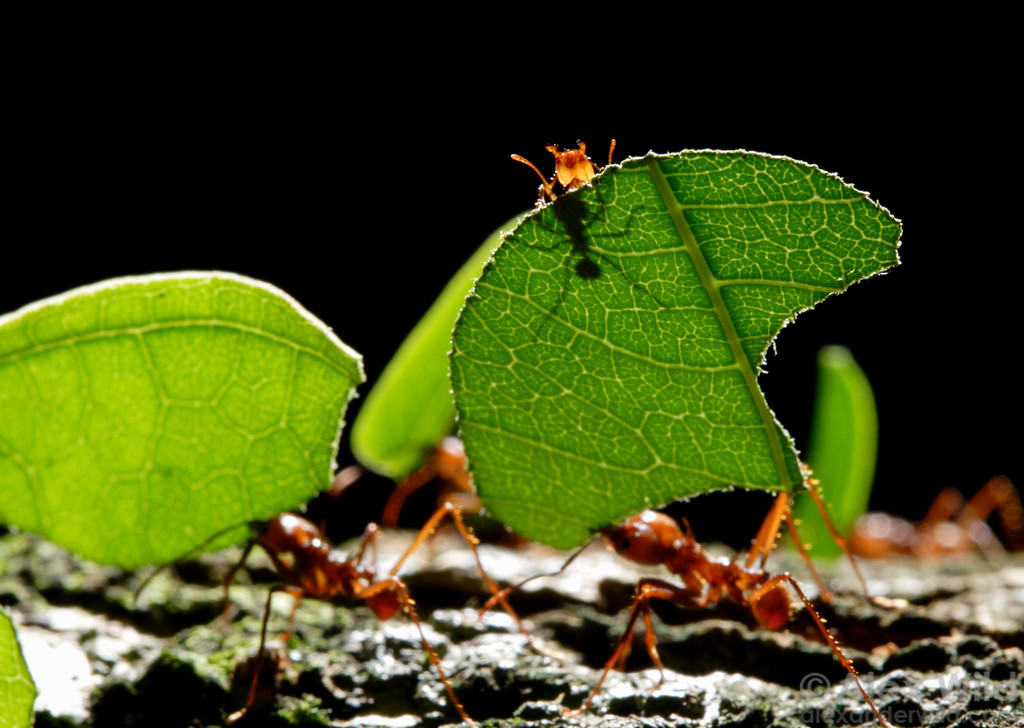
Images coming soon! in the meantime, here are the study organisms, Atta cephalotes ants. Image courtesy of Alex Wild www.alexanderwild.comCo-PI: Michael Allen, University of California Riverside, Center for Conservation BiologyMike is a world renown…
Co-PI: Steve Oberbauer, Florida International UniversitySteve brings a great project overview (at least in part due to his immense height) and many years of experience working at La Selva on carbon. His work scales from several meters below ground i…
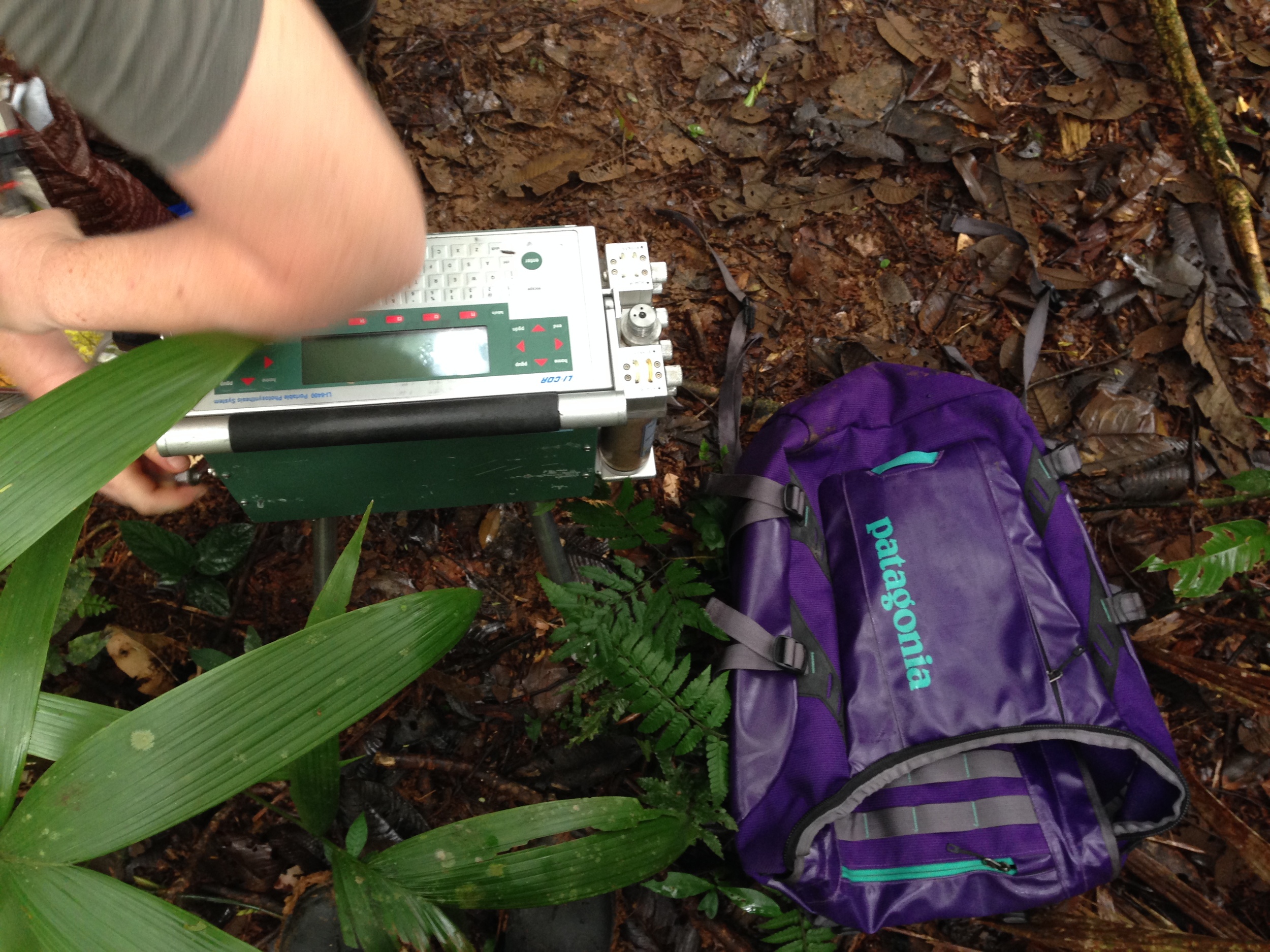
Dr. Diego Dierick, Florida International UniversityDiego is our man on the ground. He is the project McGyver, capable of fashioning a functioning soil respiration system to rival any LiCor set up using just a couple of Heliconia leaves, some string,…
Dr. Adrian Pinto, University of Costa RicaAdrian is our local knowledge and leaf cutter ant natural history expert. He can dig an entire leaf cutter ant nest with a tea spoon in 15 minutes or less, extracting fungal chambers all the way down. His wo…
Dr. Paulo Olivas, Florida International University, Fairchild Tropical Botanic GardenPaulo was integral in the inception of the project idea and has broad experience working in ecosystem science. He brings analytical and statistical prowess to the g…
Dariana Chow, University of California RiversideDariana is an undergraduate student who is broadly interested in tropical ecology and excited to be involved with all aspects of the research
Michael Meredyth-Young, University of Auckland, New ZealandMike hails to us from New Zealand, where he got a Master's degree working with Luitgard Schwendenmann. He was interested in dissolved carbon but his real passion was in innovation, specifica…

Project Set-Up August 2014, La Selva, Costa Rica
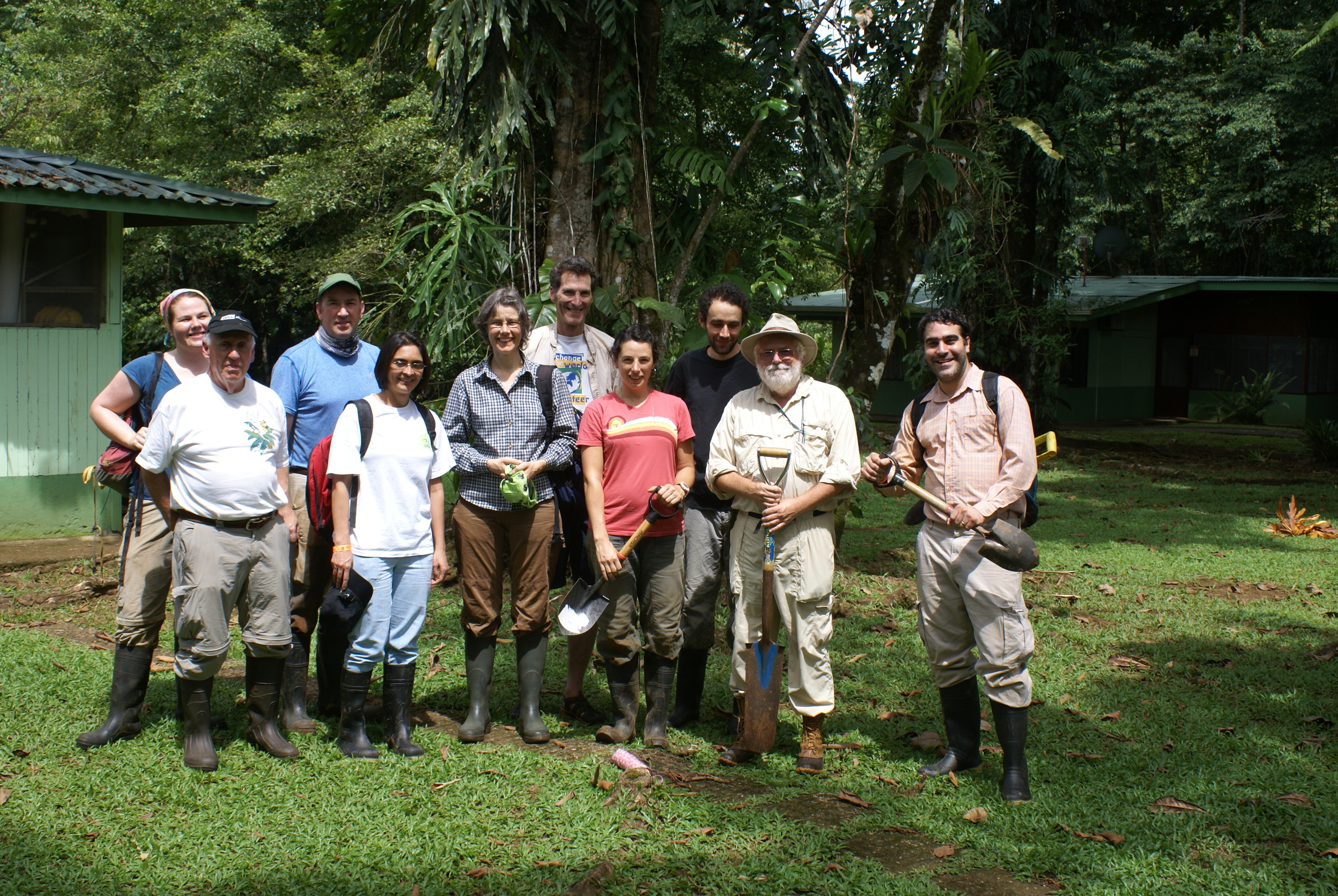
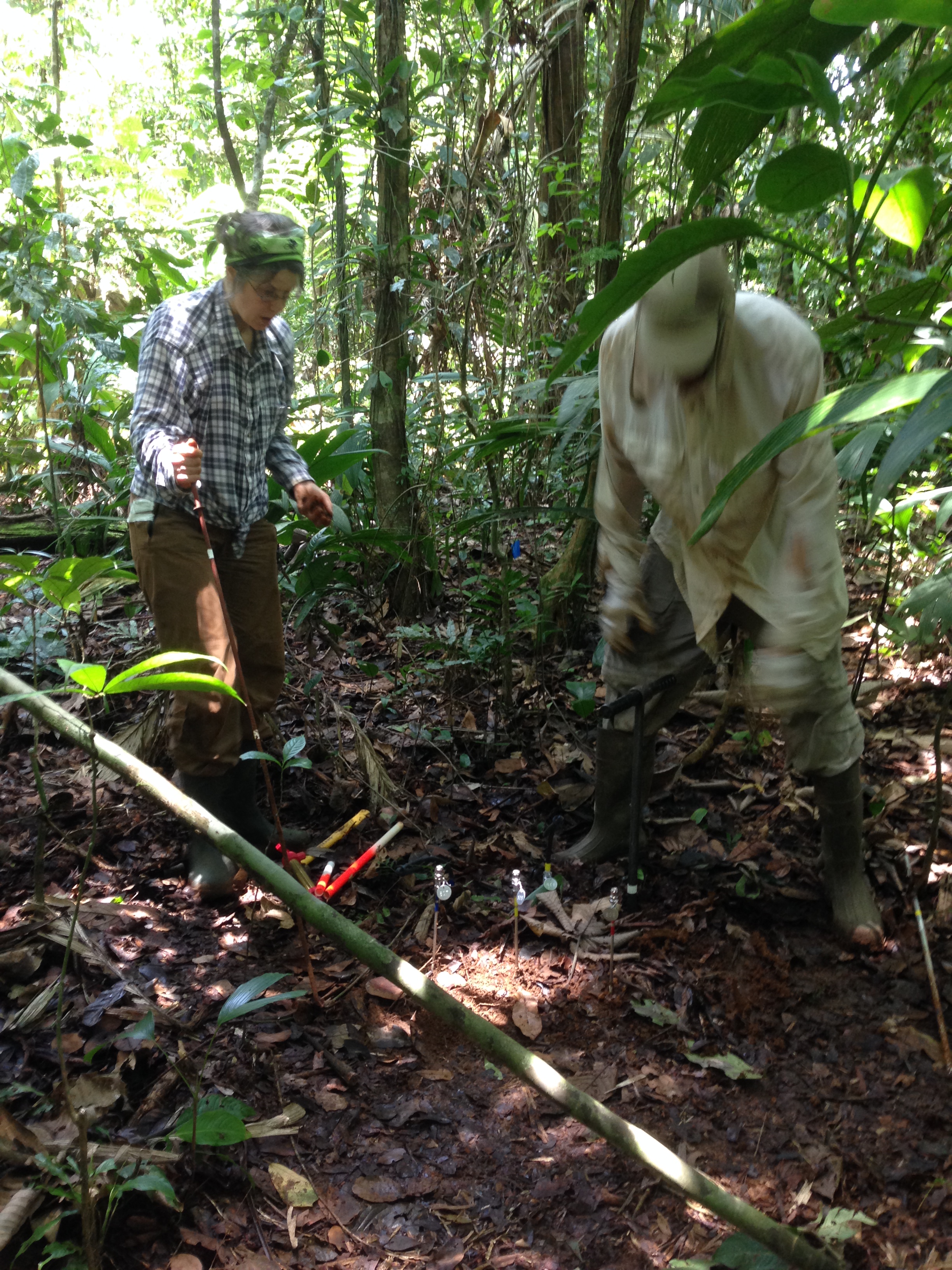
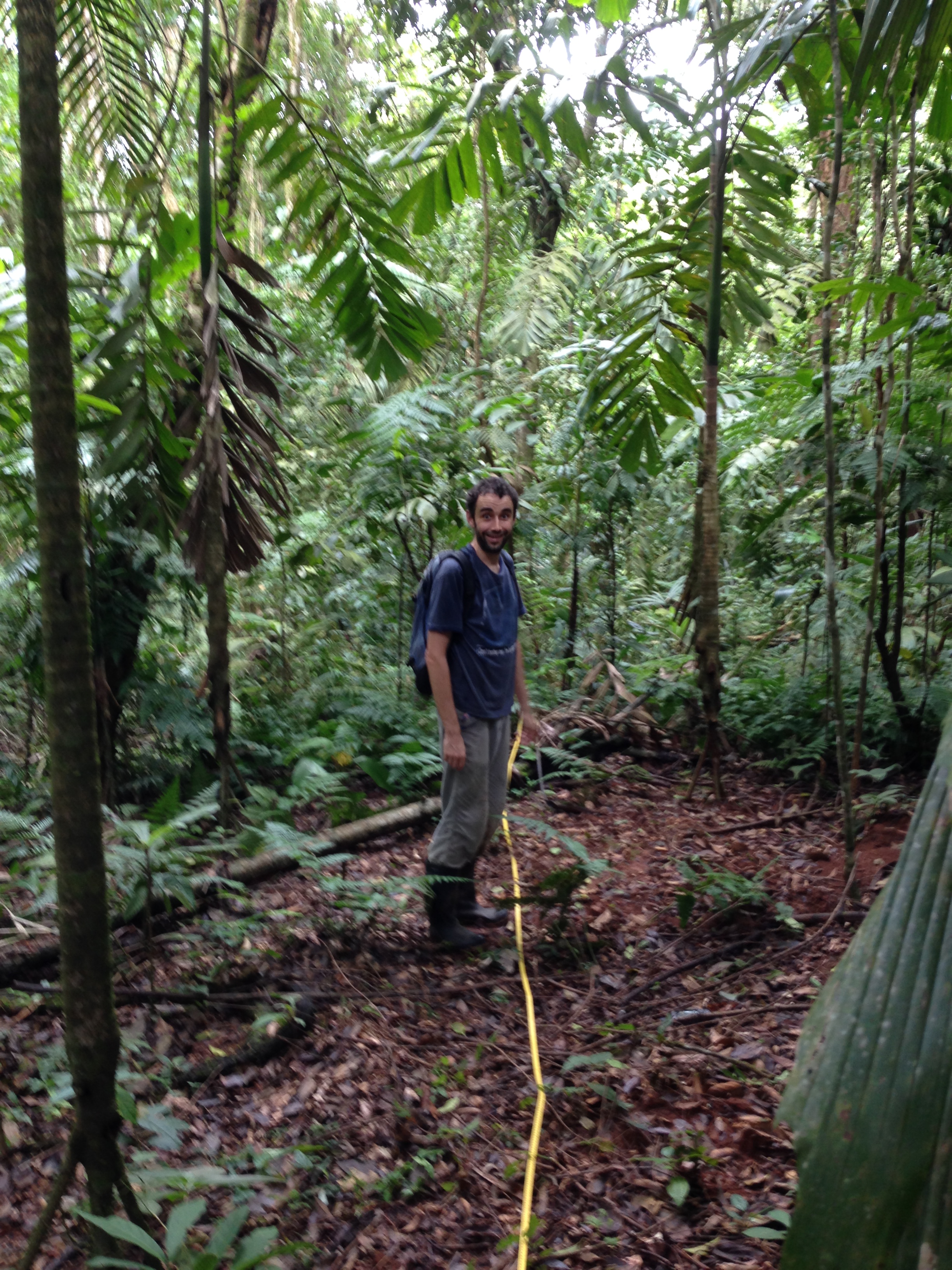
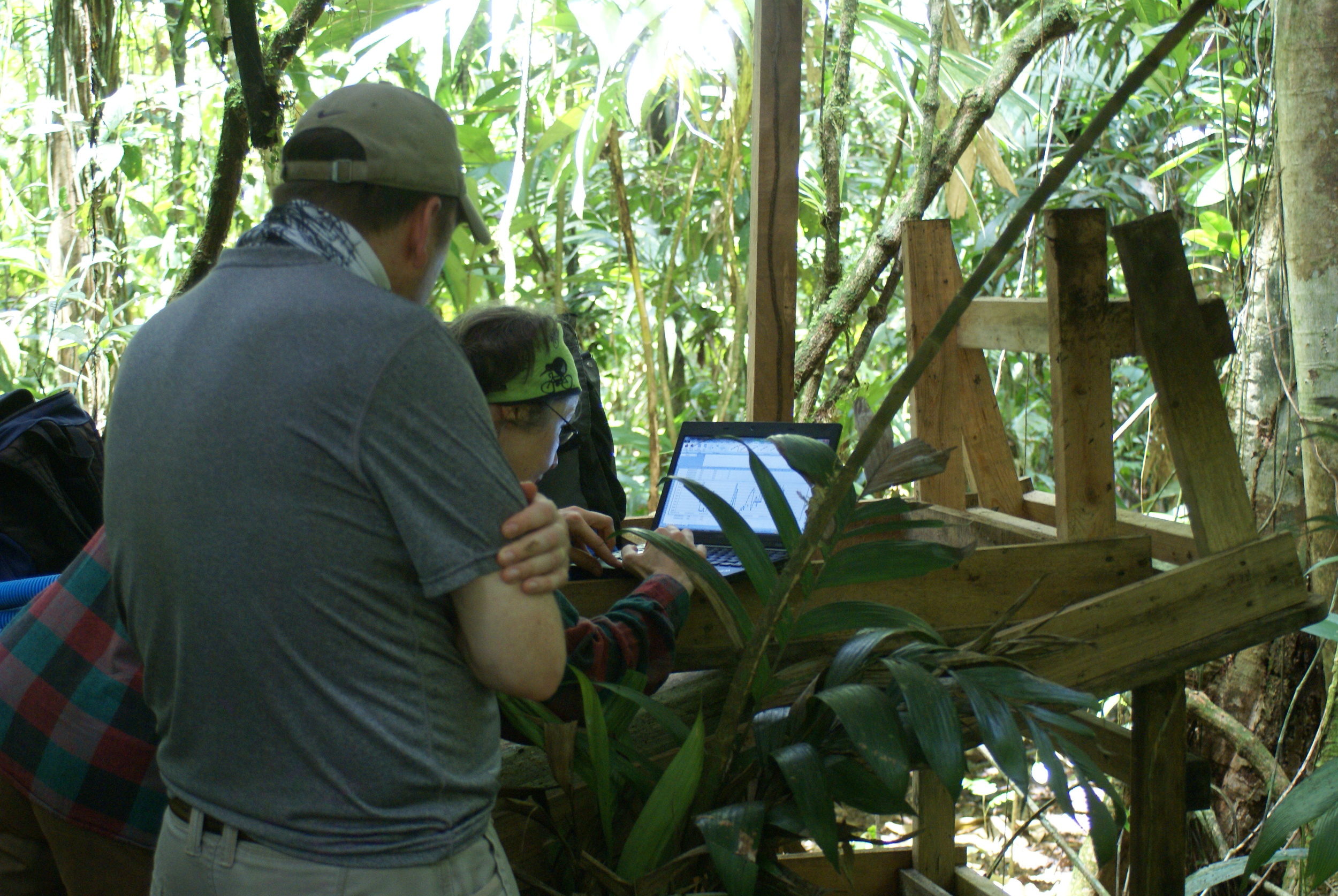
In August 2014, the entire research group met in La Selva to finish plot selection and install the long-term sensor network. In two weeks of intensive field work, we accomplished a lot. We:

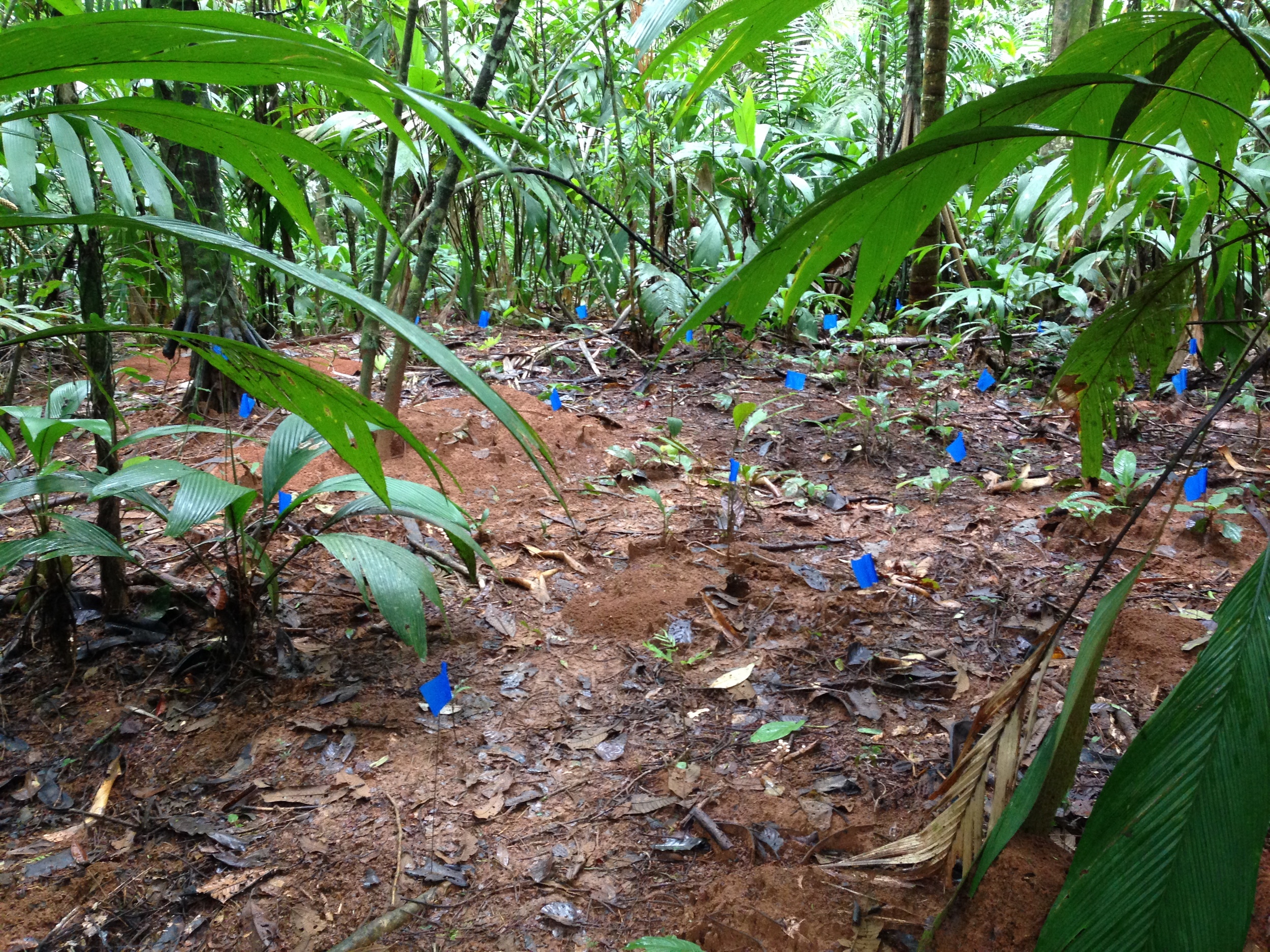
(1) selected focal Atta cephalotes nests that will be measured for the duration of the project

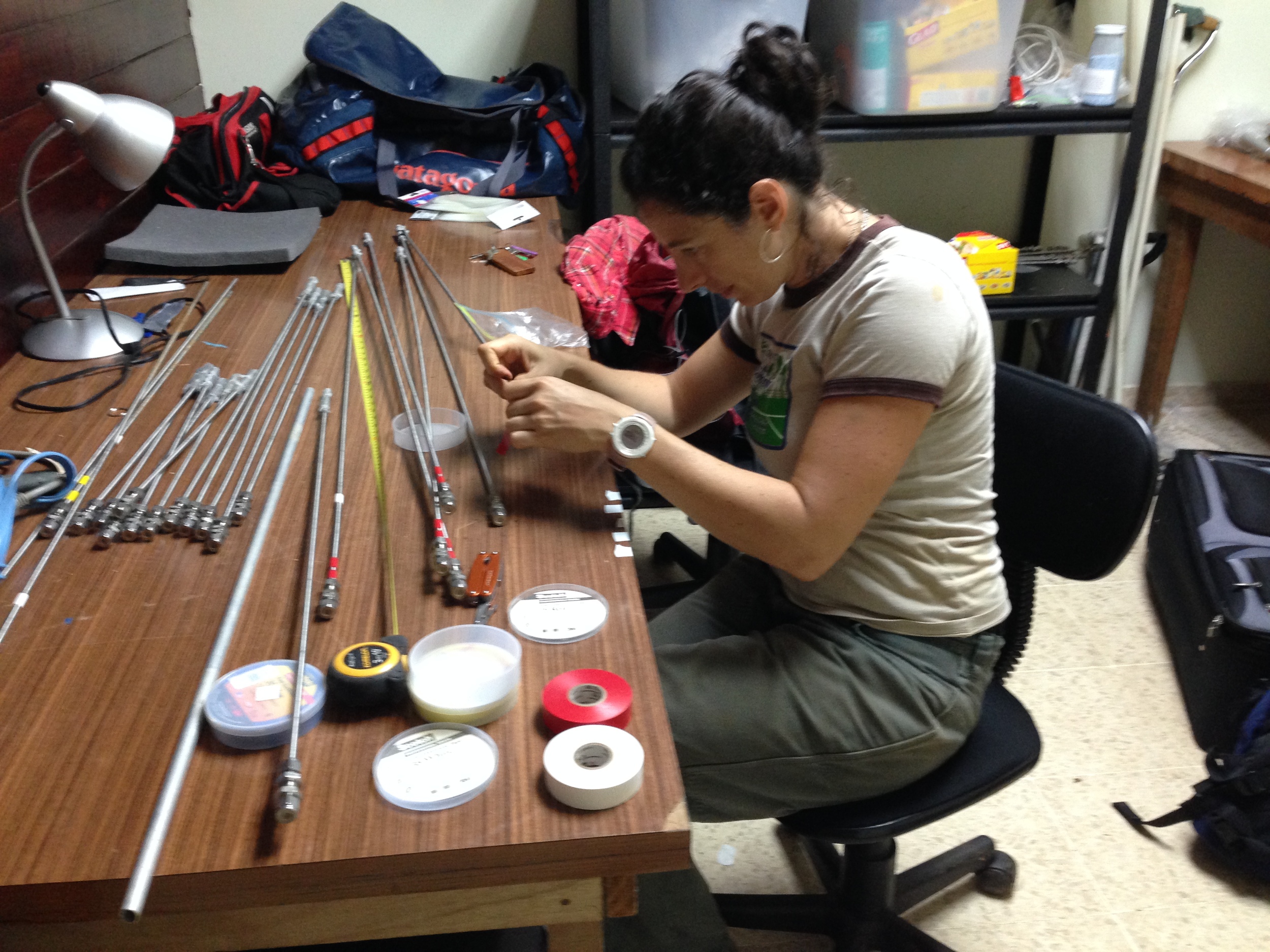
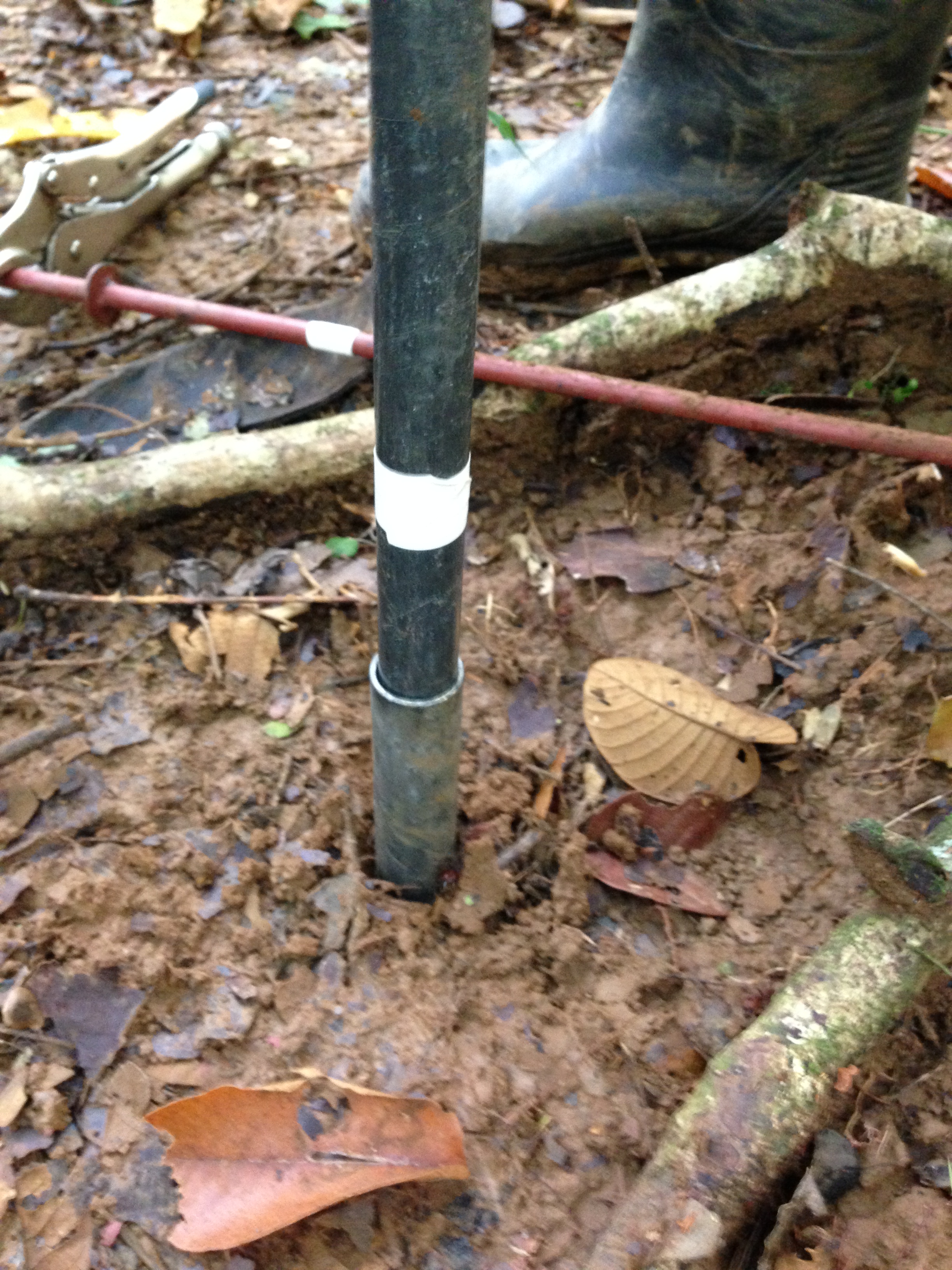
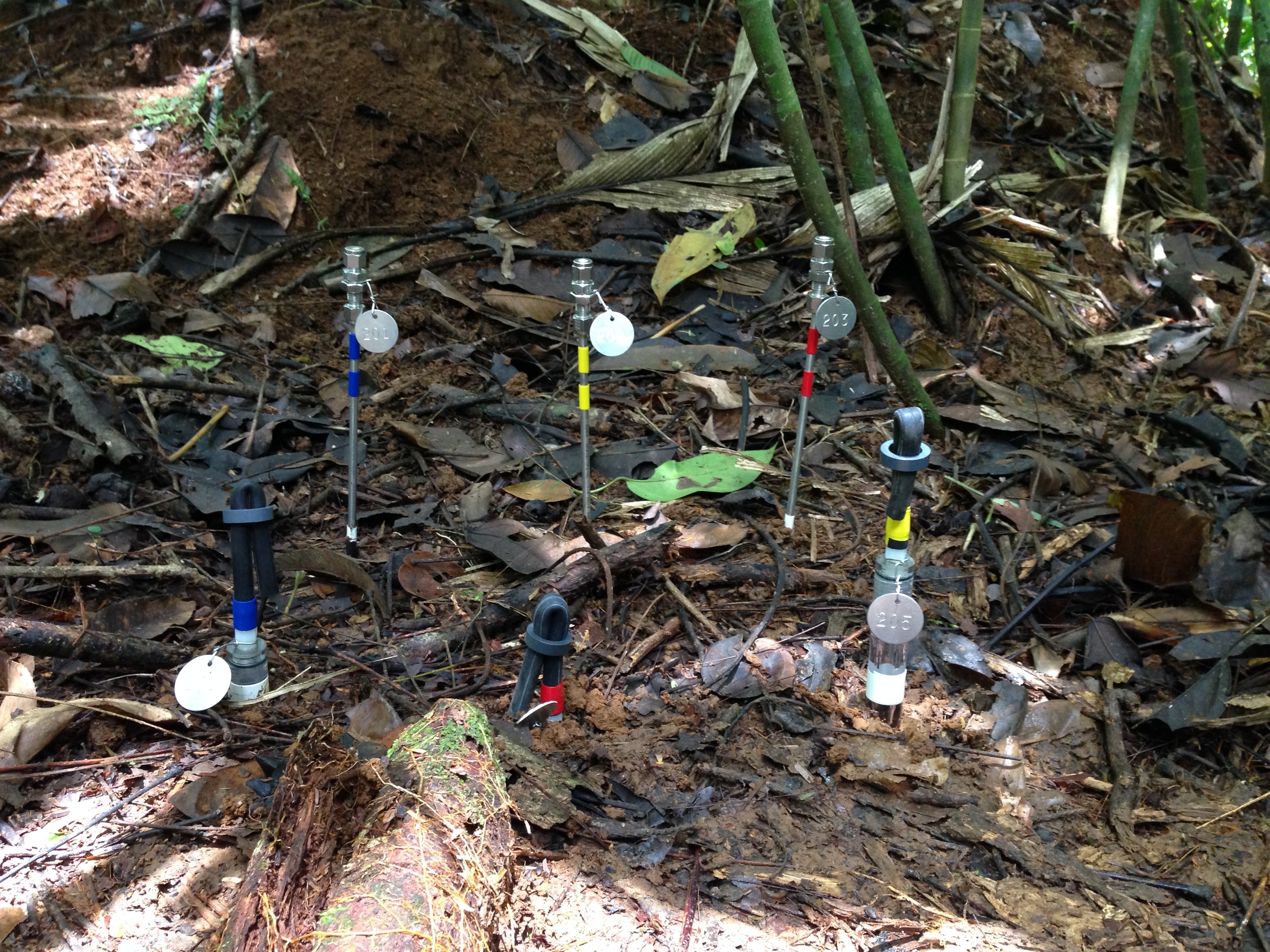
(2) installed lysimeters that will collect soil water from 3 soil depths (20cm, 60cm, and 100cm deep) and give us information about carbon losses in dissolved organic and inorganic forms across time

(3) installed gas wells that will allow us to collect soil CO2 from 3 soil depths (20cm, 60cm, and 100cm deep) and tell us not only about soil CO2 concentrations but allow us to measure stable C isotopes

(4) installed soil moisture and temperature probes across a depth profile

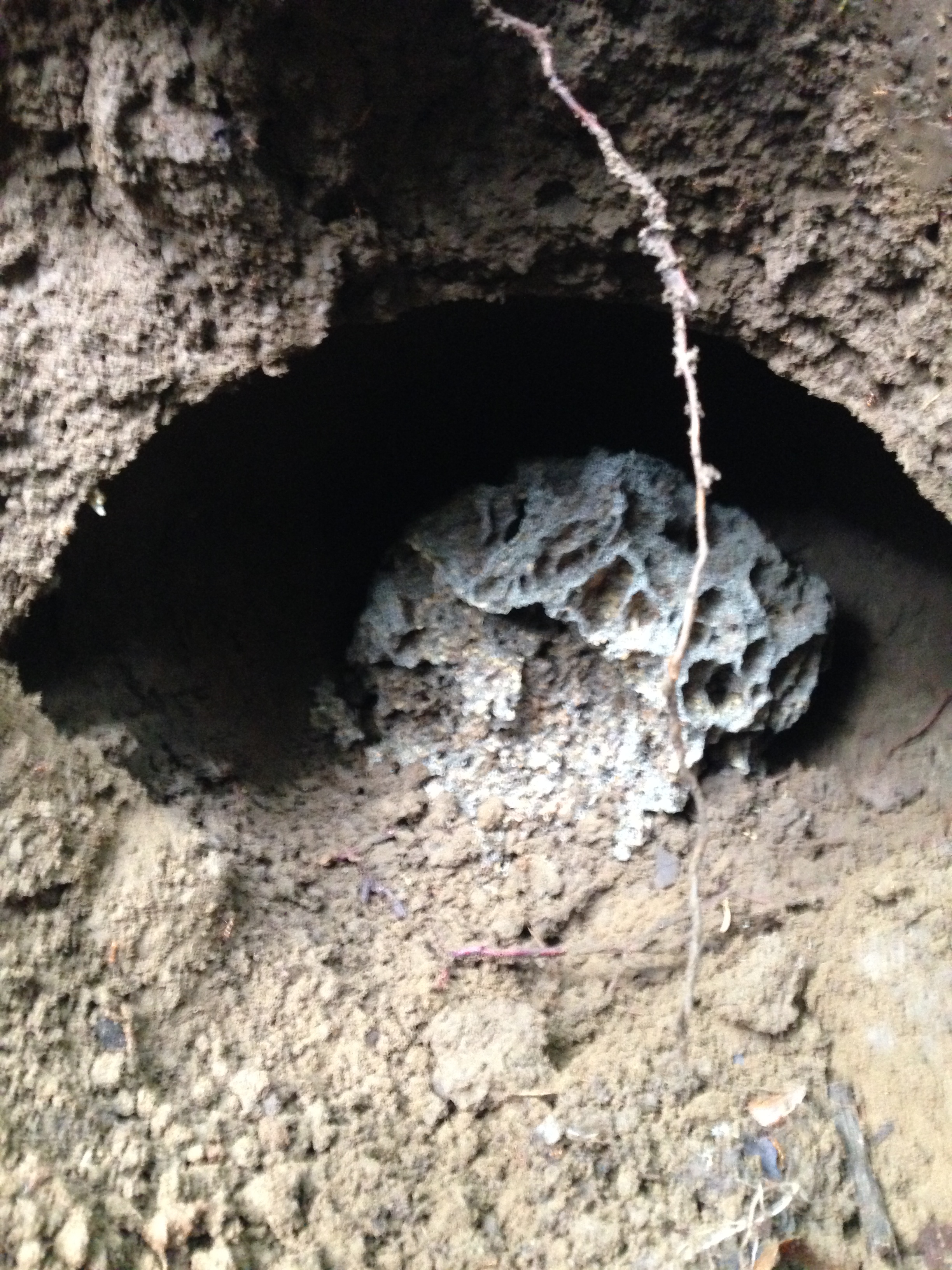
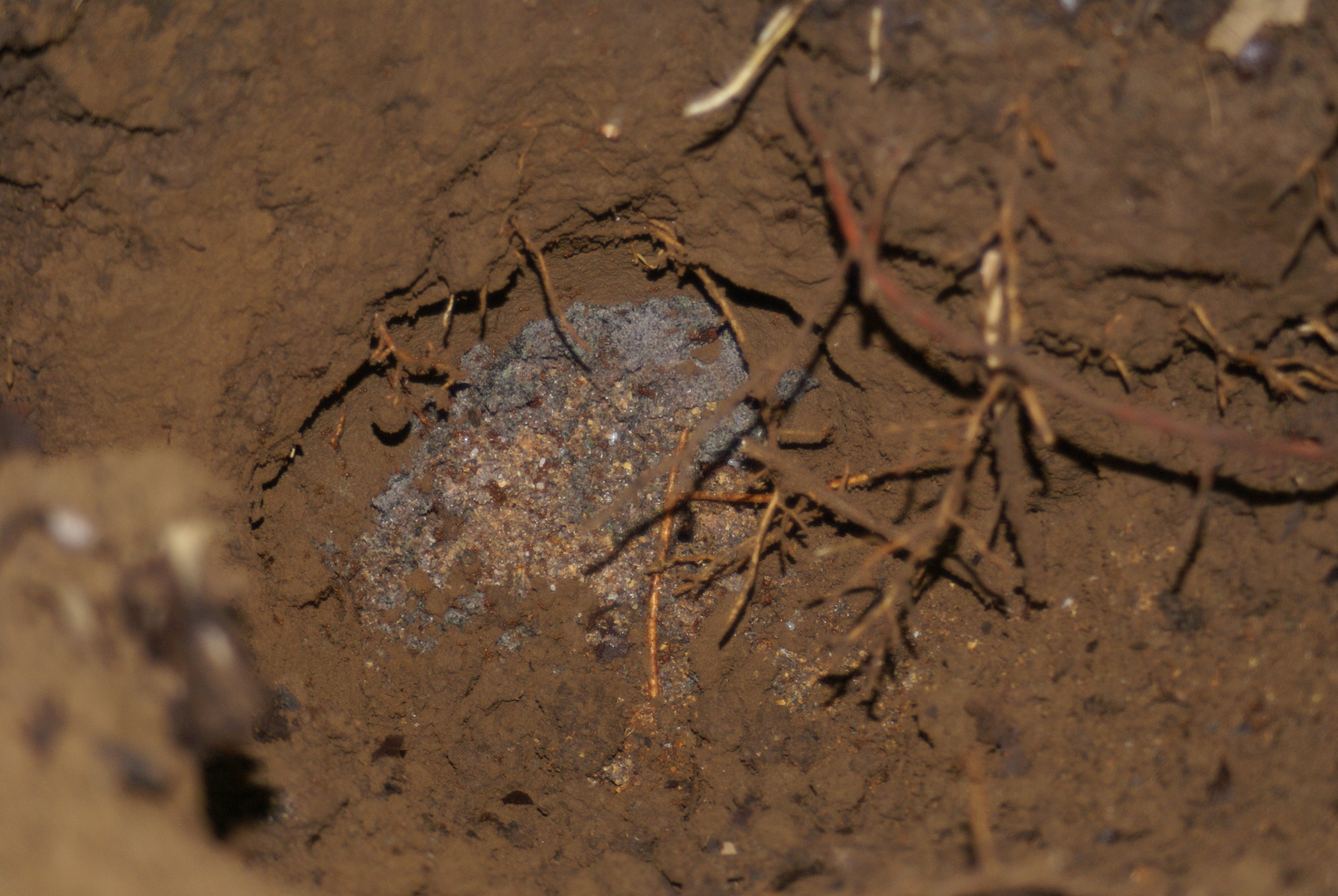
(5) extracted soils to quantify fungal infection, collected soil invertebrates associated with Atta cephalotes nests, and exported soils to quantify microbial communities and soil enzyme activity

(6) selected our "super" site, where we will embed an extensive sensor network providing real-time continuous measurements of CO2 diffusion and efflux (embedded soil profile soil CO2 sensors), root and hyphal dynamics (mini-rhizontrons), soil moisture and temperature dynamics, and small cameras that will track ant activity 

Taking advantage of the opportunity to brainstorm on the ground, we planned our research campaigns for the next year. Most importantly, we mapped out the long-term vision for how all the discrete data pieces fit together into the modeling framework to quantify the influence of leaf cutters at an ecosystem scale. All in all, this trip was a resounding success and we are leaving La Selva energized and excited about the research ahead!


This project was funded by the National Science Foundation DEB Ecosystems, with additional site support from the Organization for Tropical Studies.